New York Men’s Day Fall Winter 2026 at New York Fashion Week: A Collective Study in Emerging Perspective

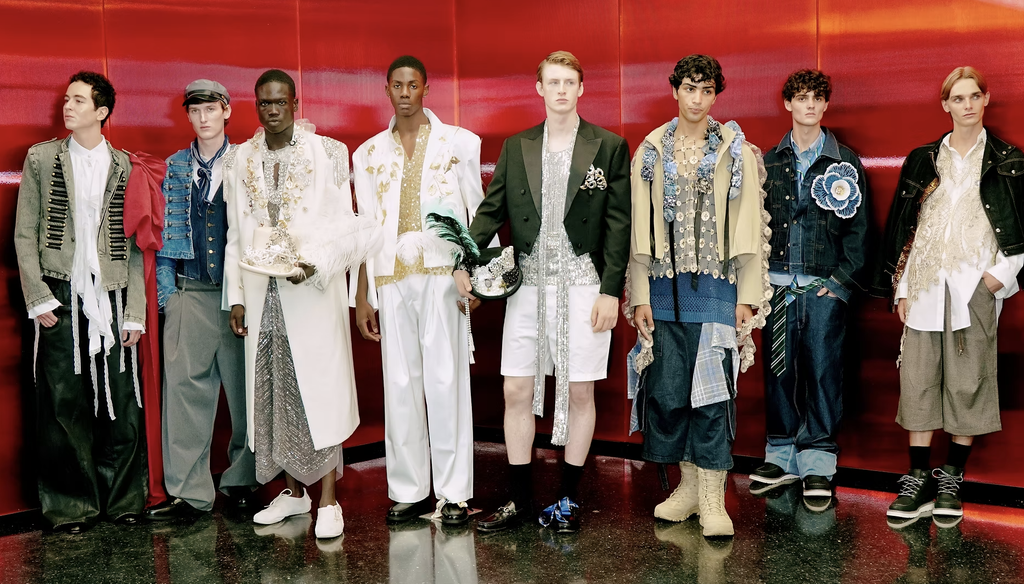
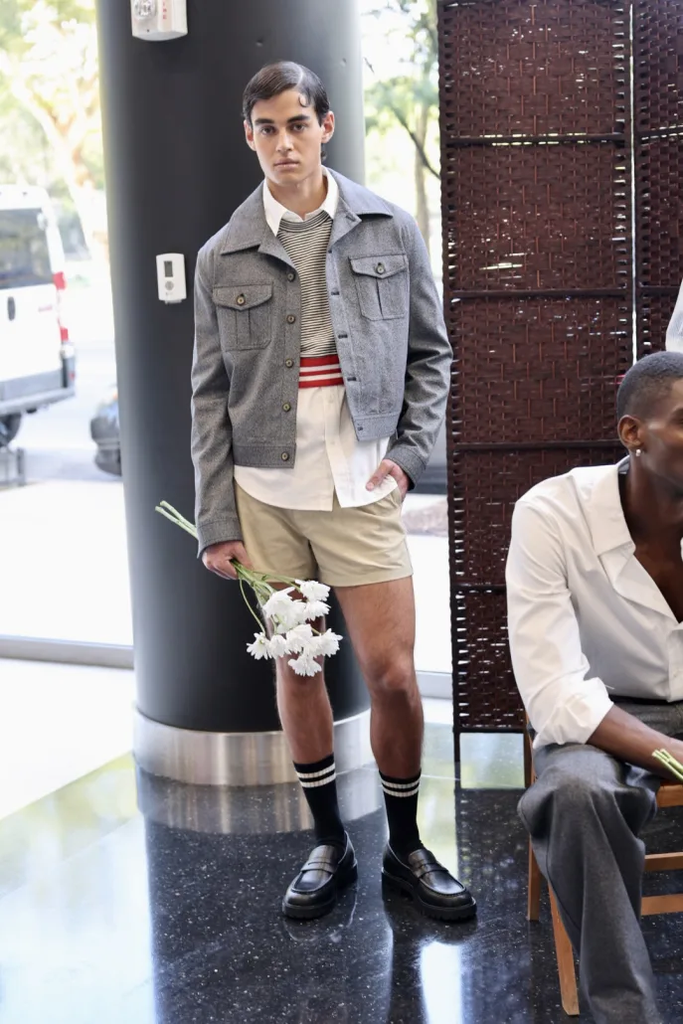
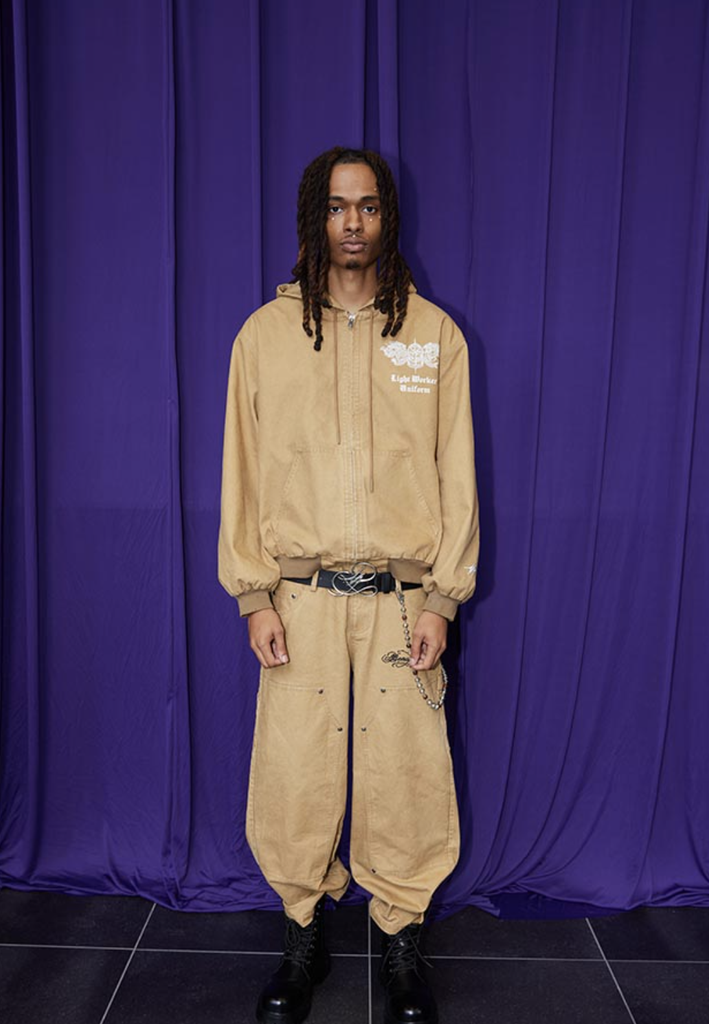
New York Men’s Day returned for its Fall Winter 2026 edition, continuing its role as a platform for emerging and independent designers to present their work in a shared, presentation based format. Structured across two presentation groups, the format moved away from the singular voice of a traditional runway and instead offered a layered view of where menswear is heading now.

The experience of New York Men’s Day feels distinct from the rest of the week. There is a sense of proximity between designer, garment, and audience that changes how the work is received. Without the distance of a runway, each collection exists up close, allowing texture, construction, and intention to come through more clearly. It becomes less about spectacle and more about observation.

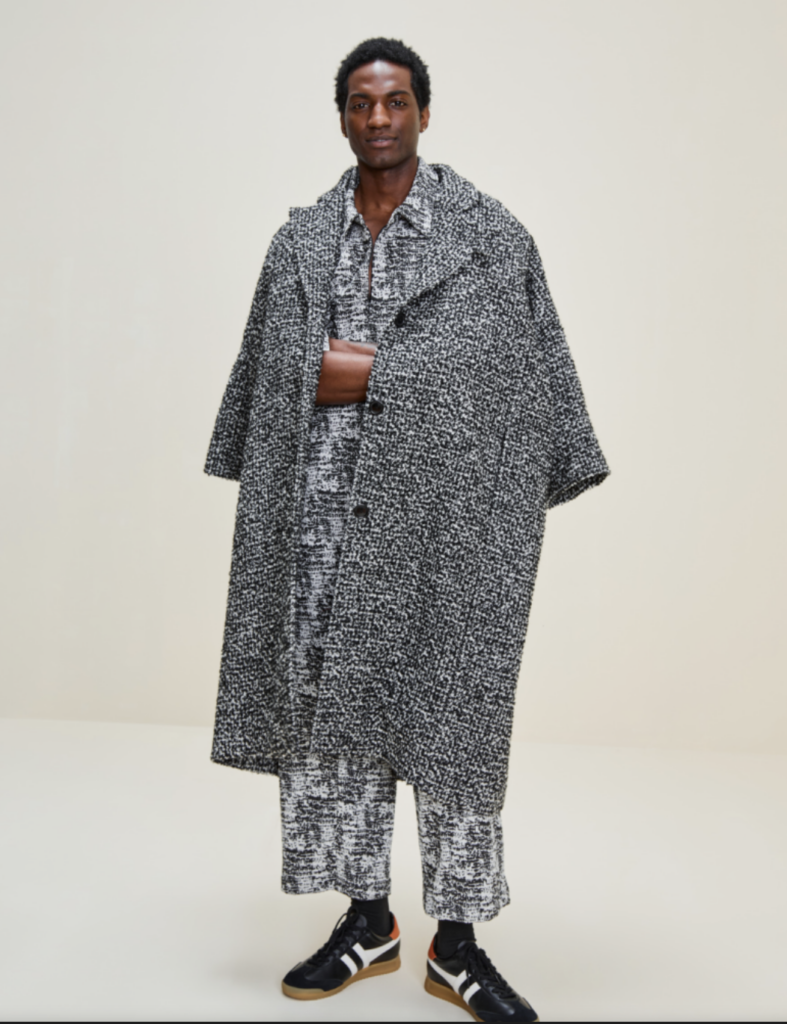
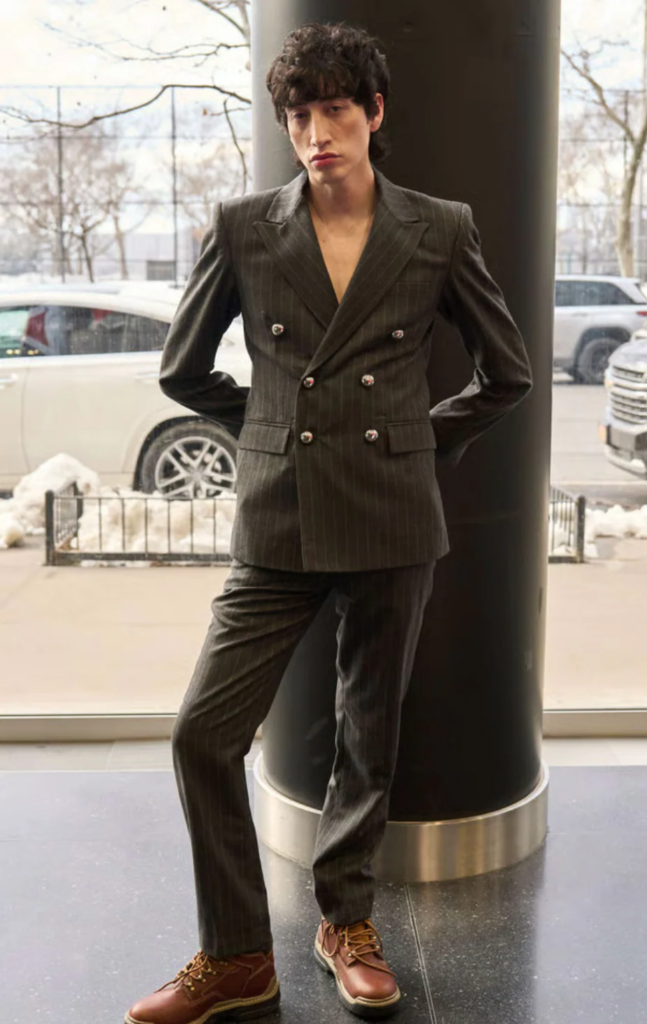
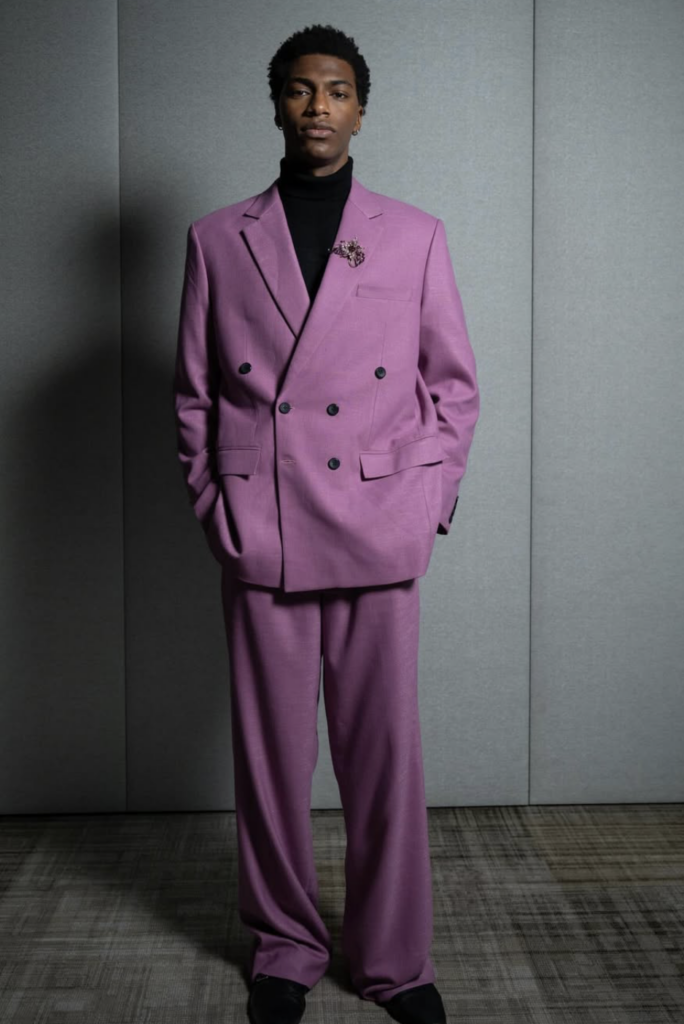
Among the designers presenting, Aaron Potts stood out for his continued exploration of fluidity and ease within menswear. His work carried a sense of movement that felt both intentional and unrestricted, reinforcing his position as one of the more recognizable voices within this space.

Concept & Mood

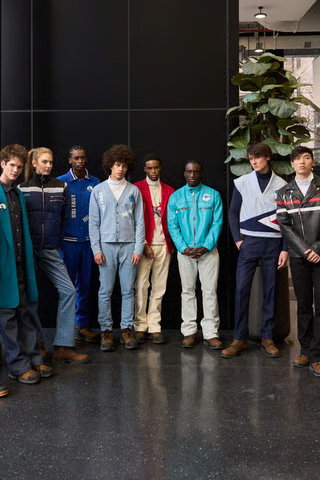
The overall mood of New York Men’s Day was exploratory. Rather than presenting a single narrative, the format allowed multiple perspectives to exist at once. This created a sense of openness, where each designer approached menswear from a different angle, whether through tailoring, streetwear, or more experimental forms.

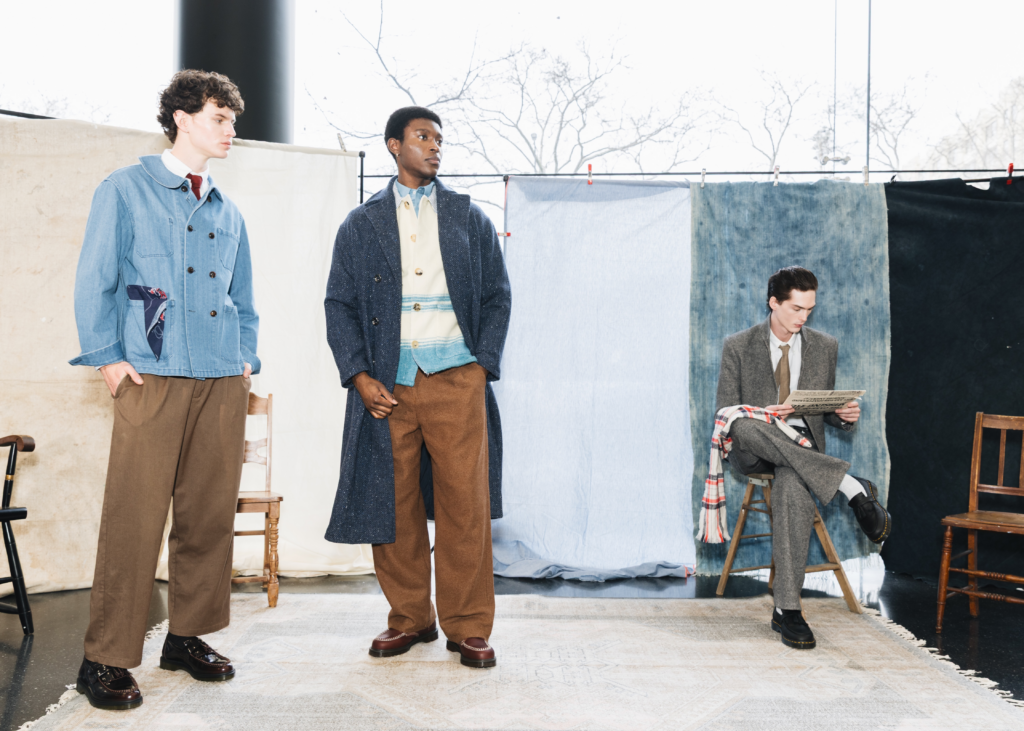
There was also a noticeable sense of immediacy. Presentations unfolded in real time, with models standing, shifting, and interacting within the space. This removed the formality often associated with runway presentations and replaced it with something more direct and accessible.

Palette, Materials & Silhouettes

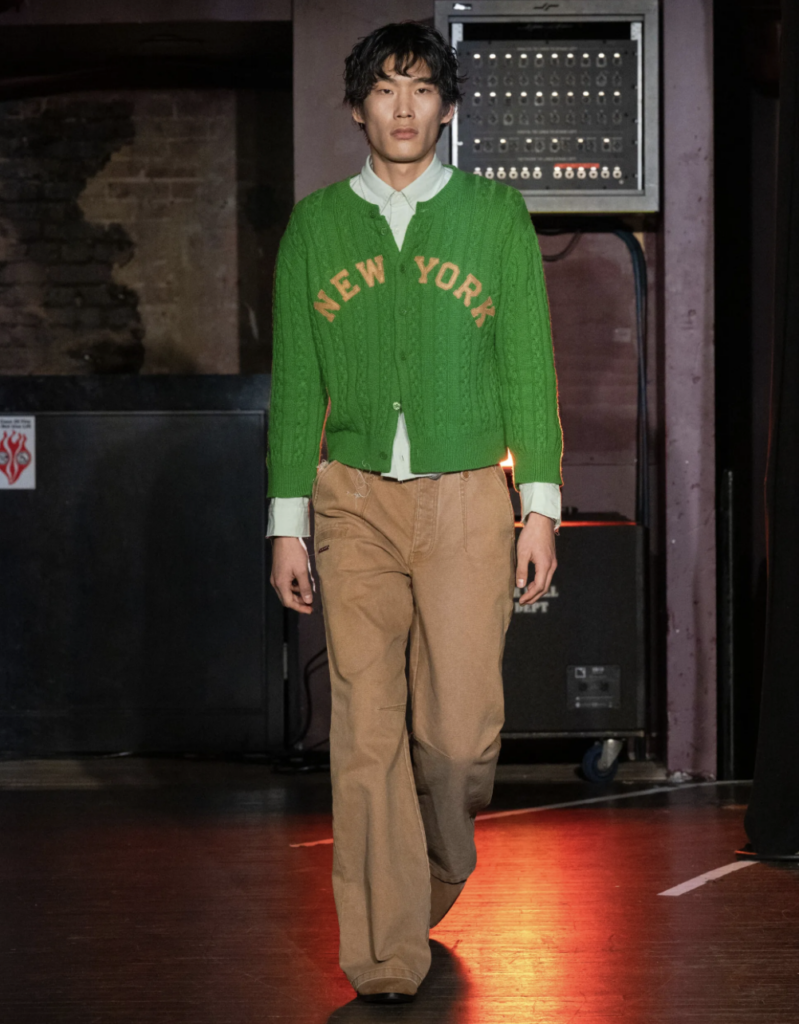
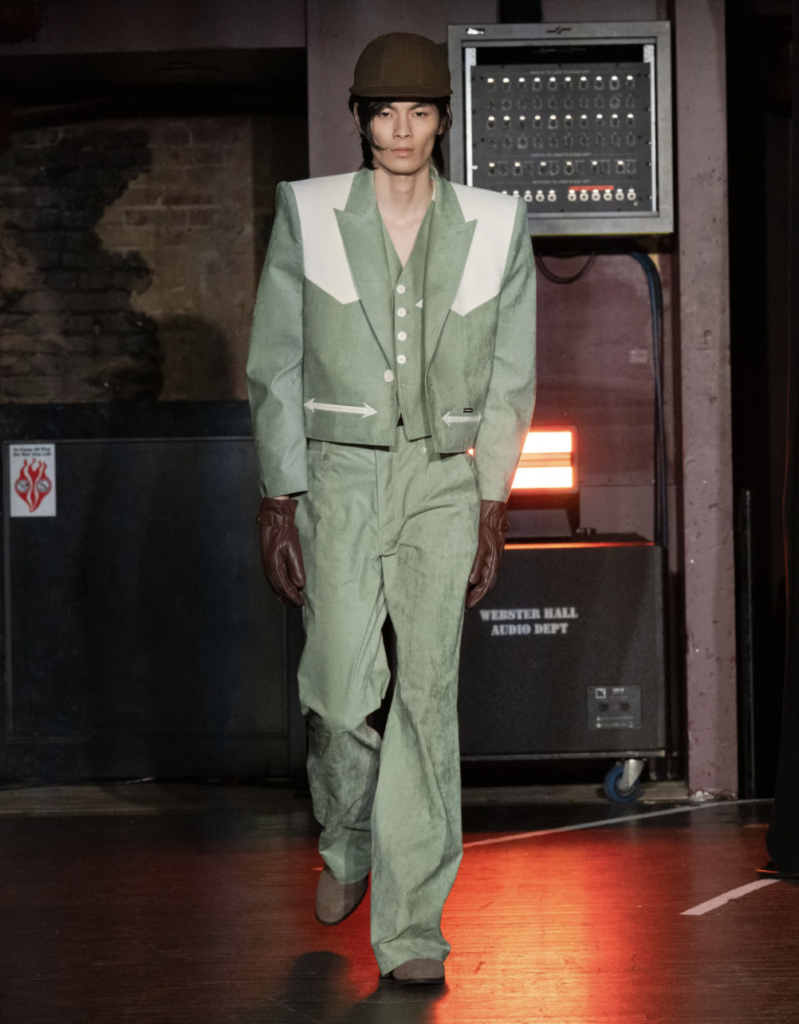
Color story: Across both presentation groups, the palette ranged widely. Neutrals such as black, gray, and earth tones created a consistent base, while moments of color appeared through individual designers’ perspectives. This variation reinforced the diversity of approaches within the showcase.

Textures & fabrics: Material choices emphasized experimentation. Traditional menswear fabrics appeared alongside more fluid and unconventional textiles, creating a contrast between structure and movement. This balance reflected a broader shift in how menswear is being defined.

Silhouettes & detail: Silhouettes moved between tailored and relaxed. Structured pieces grounded the collections, while oversized and draped forms introduced a sense of ease. In the case of A. Potts, garments leaned into fluidity, with shapes that resisted rigid definition and instead focused on how the body moves within them.

Because the presentations were experienced up close, details such as stitching, layering, and fabric weight became more apparent. This proximity allowed each piece to be understood beyond its overall shape.

Themes & Takeaways

New York Men’s Day continues to highlight the evolution of menswear as something increasingly open and undefined. The collections did not adhere to a single standard. Instead, they reflected a range of identities, aesthetics, and approaches to dressing.

There was a strong emphasis on individuality. Each designer maintained a distinct voice, yet the collective format allowed those voices to exist in dialogue with one another. This created a broader understanding of where emerging menswear is moving.

The presentation format itself also plays a role in this. By removing distance, it encourages a closer engagement with the work, making the experience feel more personal and immediate.

Final Thoughts

New York Men’s Day Fall Winter 2026 offered a perspective on menswear that feels current, varied, and still in motion. Rather than presenting a singular vision, it created space for multiple interpretations to exist simultaneously.

As a first experience, it stands out for its intimacy and accessibility. The format allows you to engage with fashion in a way that feels direct and unfiltered, reinforcing the idea that some of the most compelling work is happening within these emerging spaces.

Norma Kamali Fall Winter 2026 at New York Fashion Week: Control, Contrast, and a Signature Reworked

Norma Kamali presented her Fall Winter 2026 collection through a format that felt direct and intentional. The presentation stripped everything back to what mattered most. There was no reliance on staging or distraction. The focus stayed exactly where it needed to be, on the clothes and how they hold presence on the body.

What stood out immediately was how grounded everything felt. Kamali did not try to reinvent her language. Instead, she refined it. The presentation moved with clarity, allowing each look to speak without interruption. It felt confident in a way that comes from knowing exactly what works and choosing to build on it.

Concept & Mood

The mood centered on control. Not in a restrictive sense, but in how deliberate every choice felt. Strong shoulders, clean lines, and contained volume created a consistent structure throughout. Nothing felt excessive or unresolved.

There was also a sense of familiarity, but it never felt repetitive. Kamali leaned into her own visual codes, revisiting them with more precision. The presentation balanced strength with ease, making the pieces feel wearable without losing impact.

Rather than creating a dramatic narrative, the collection focused on presence. It allowed the repetition of silhouette and proportion to build its own rhythm, which made the overall message feel clear and steady.

Palette, Materials & Silhouettes

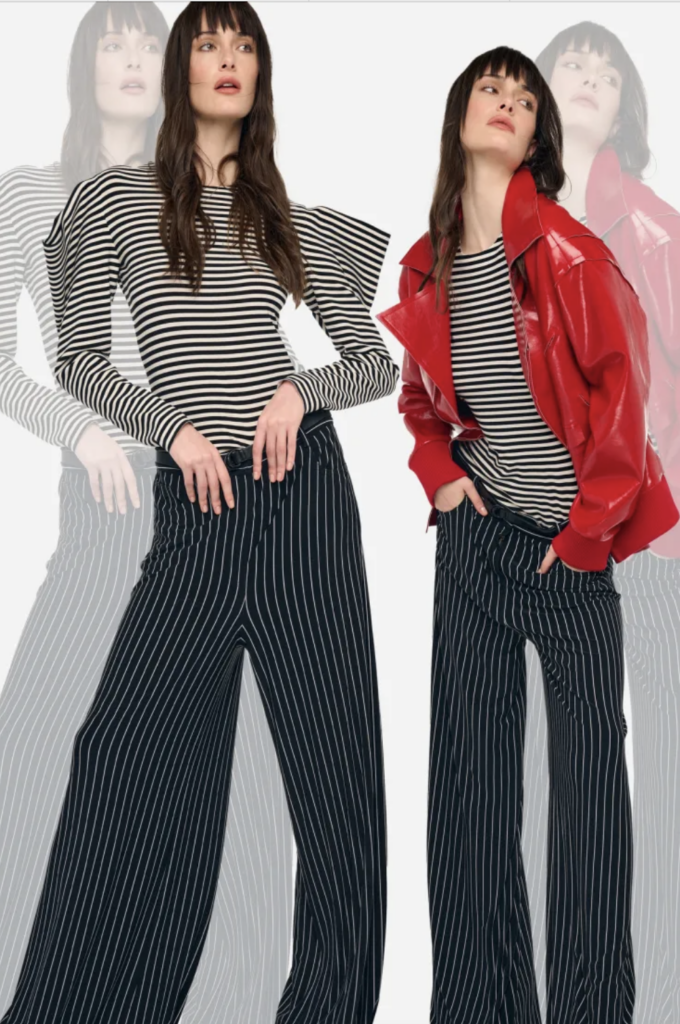
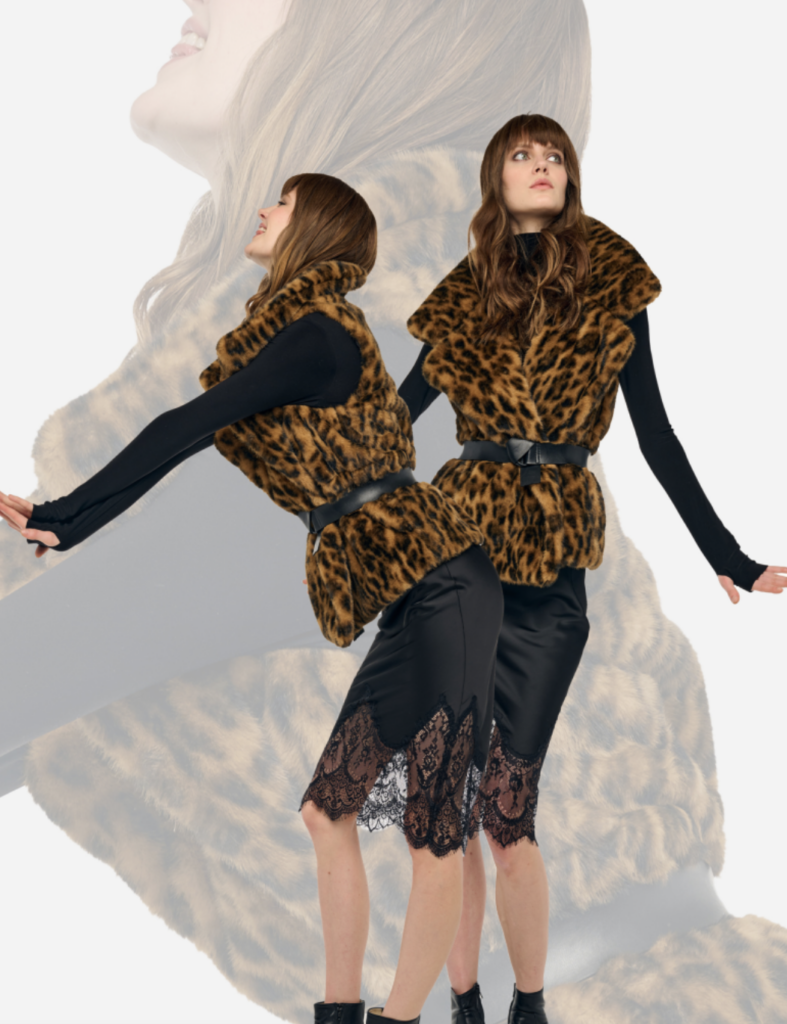
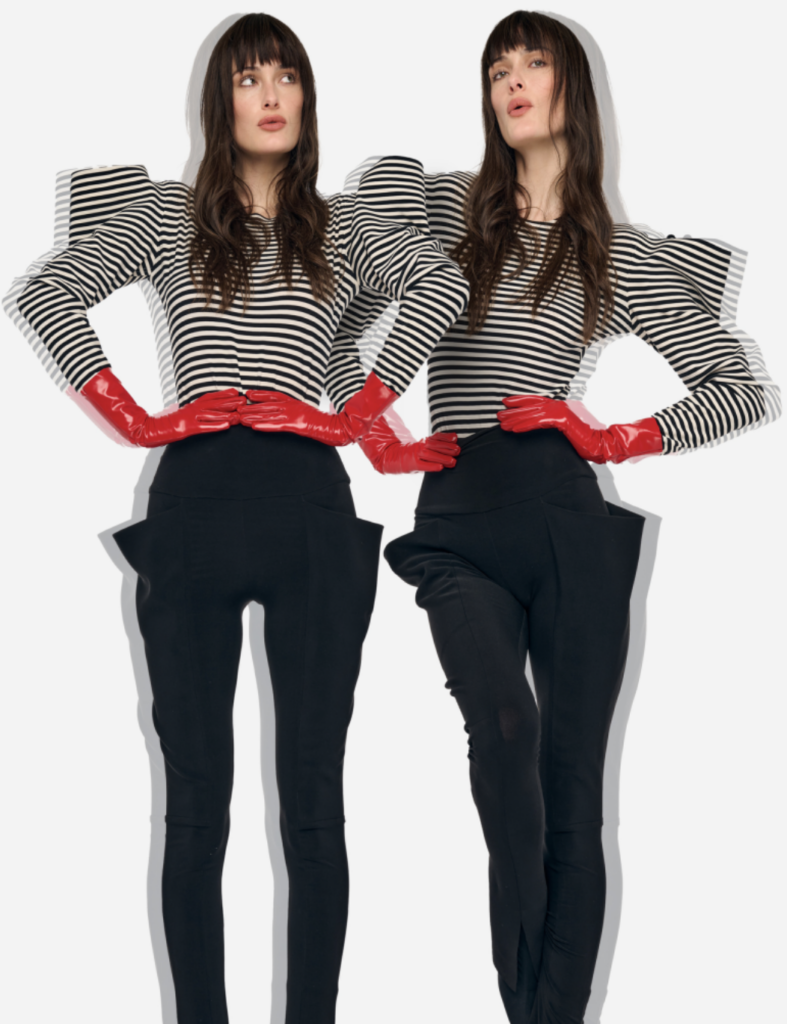
Color story: The palette was anchored in black, but it was the red that defined the collection. A deep, saturated red leather appeared throughout, reading as something between a true crimson and a darker cherry tone. It brought intensity without feeling overly bright, making it stand out while still feeling controlled. Alongside this, gray suede introduced a softer, more muted contrast. The inclusion of cheetah print added another layer, something Kamali consistently returns to, reinforcing her signature aesthetic. Stripes appeared underneath red leather layering, creating moments of contrast that felt intentional rather than decorative.

Textures & fabrics: The material mix played a major role in shaping the collection. Leather carried structure and weight, especially in the red looks, while suede softened the overall feel. These were balanced with more flexible, body conscious fabrics that allowed movement without losing form.

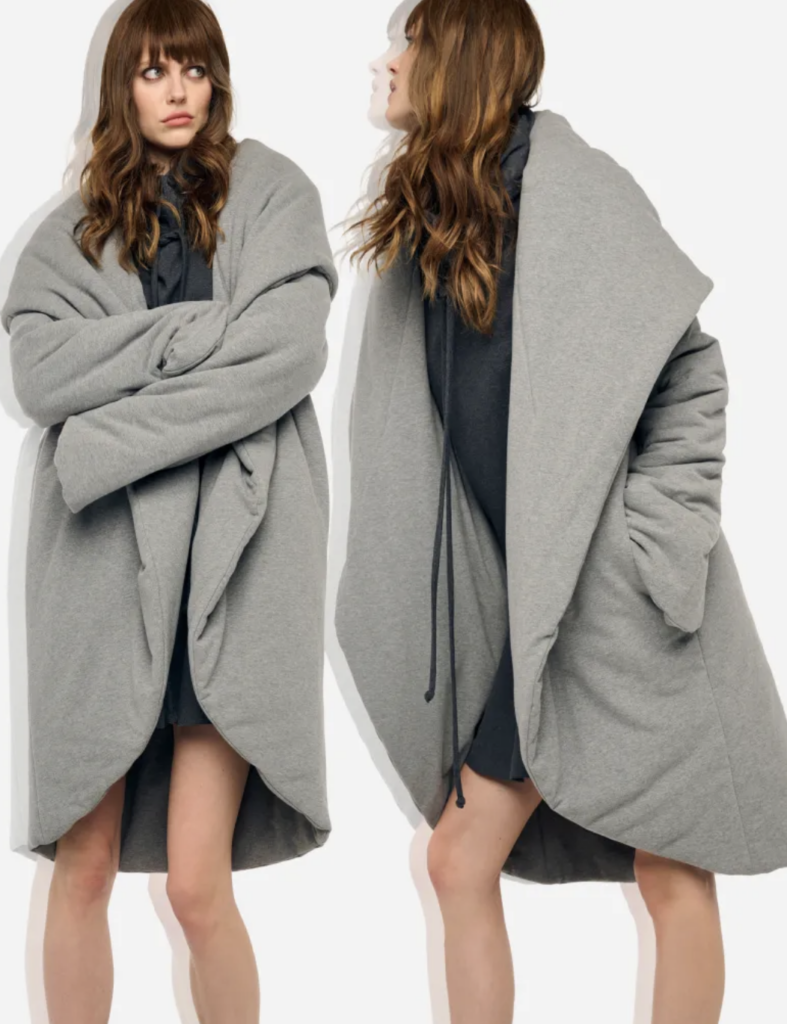
Silhouettes & detail: Strong shoulders defined the collection. They created a sharp upper frame that contrasted with more fitted or streamlined lower halves. Outerwear leaned oversized, particularly in printed pieces, while more minimal looks stayed close to the body.

Layering was used selectively. Red leather worn over striped pieces stood out as one of the more distinct moments, adding depth without overcomplicating the look. Across the board, silhouettes remained consistent, reinforcing a clear and controlled point of view.

Themes & Takeaways

The collection explored how to make familiar pieces feel more defined through proportion and material. Kamali did not separate statement from everyday. Instead, she elevated staples by adjusting scale, texture, and structure.

There was also a strong sense of consistency. Rather than shifting direction, the collection refined what already exists within her design language. This made the presentation feel cohesive and intentional from start to finish.

The use of red added another layer. It introduced energy into an otherwise neutral palette, but it never disrupted the balance. Instead, it sharpened it.

Final Thoughts

Norma Kamali’s Fall Winter 2026 presentation focused on precision rather than excess. By refining silhouette, reinforcing structure, and introducing controlled moments of contrast, she delivered a collection that felt both familiar and sharpened. The result was a presentation that did not rely on spectacle to make an impact. It held attention through clarity, consistency, and a strong understanding of its own identity.

Private Policy Fall Winter 2026 at New York Fashion Week: A Study in Labor, Space, and Lived Experience

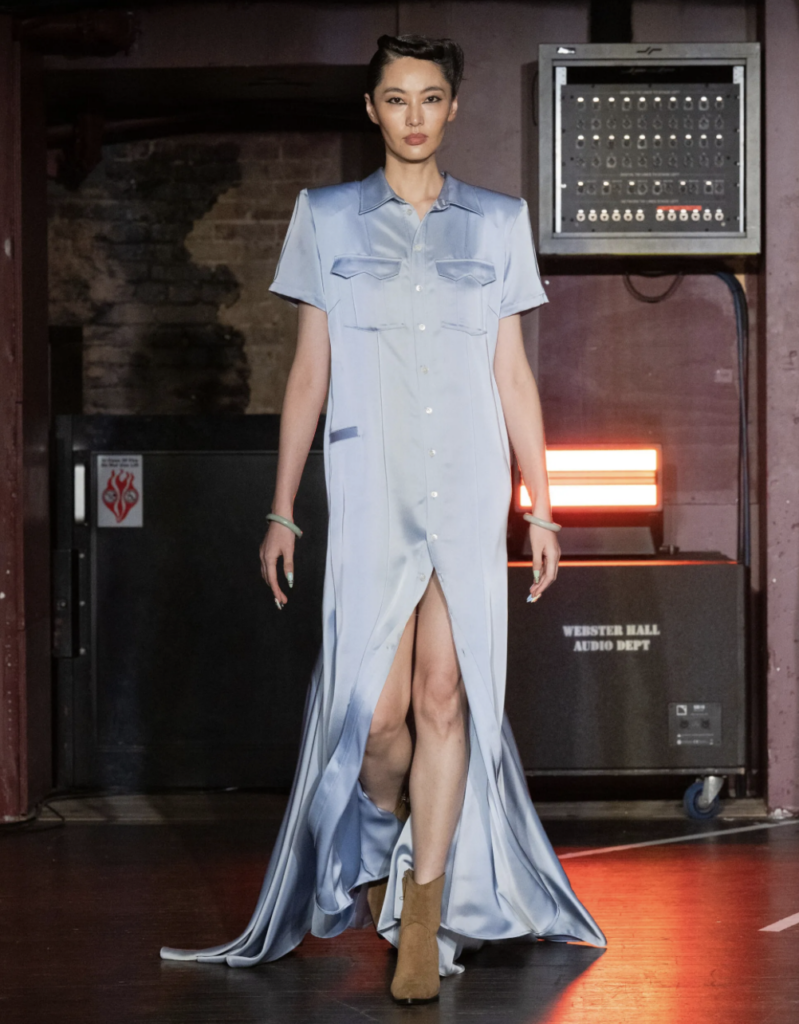
Private Policy presented its Fall Winter 2026 collection at Webster Hall, transforming the venue into something far more immersive than a traditional runway. From the moment guests entered, the experience was intentional. Ramen was served. The atmosphere felt communal, familiar, and grounded in everyday ritual. It immediately set the tone for a show that was not only about what was worn, but about the lives surrounding it.

Released around Lunar New Year, the collection reflected on renewal, but through the lens of continuity rather than reinvention. Private Policy framed Asian labor as an ongoing narrative, connecting early immigrant histories to present day experiences. The show did not isolate the past. It carried it forward, allowing it to exist within the same space as contemporary identity.

Concept & Mood
The mood was deliberate and grounded. There was no separation between the concept and the environment. Serving ramen at the entrance was not a performative gesture. It created a point of entry that felt personal, referencing everyday culture while subtly reinforcing themes of labor, care, and community.

As the show unfolded, that same sense of intention carried through. The pacing was steady, allowing each look to register without distraction. Rather than dramatizing its message, the collection allowed meaning to build through repetition and contrast. It felt observational, almost documentary in its approach, while still maintaining a strong design perspective.

Palette, Materials & Silhouettes
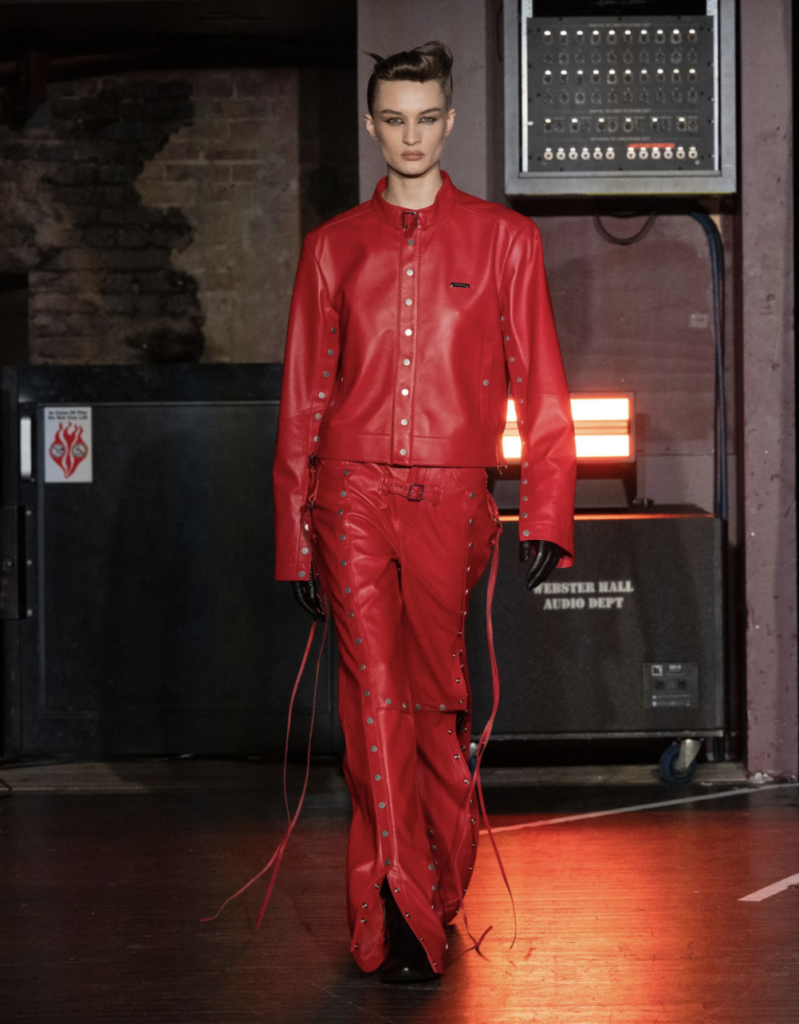
Color story: The palette drew from both landscape and industry. Earth tones, rusted reds, and muted blues anchored the collection, referencing the American West as well as institutional environments. The colors created a sense of continuity, allowing the narrative to move across time without disruption.

Textures & fabrics: Material contrast played a central role. Traditional workwear structures appeared in elevated fabrics with a subtle sheen, shifting garments associated with physical labor into a more visible, almost confrontational space. Distressed textures remained present, marking time and use without erasing them.

Silhouettes & detail:: Workwear formed the foundation. Reinforced seams, functional cuts, and multi pocket constructions referenced garments built for endurance. Alongside this, 1980s inspired tailoring introduced a second layer. Power shoulders, sharp suiting, and pencil skirts reflected entry into professional and institutional spaces.

The contrast felt precise. Physical labor and corporate presence existed within the same collection, emphasizing that while the form of labor evolves, it does not disappear. Each silhouette carried that tension between visibility and expectation.

Themes & Takeaways
The collection centered on the evolution of labor across generations. By referencing nineteenth century railroad workers alongside 1980s professional dress, Private Policy traced a broader trajectory of Asian experience in America. It highlighted not just physical work, but the emotional and psychological labor tied to assimilation, adaptation, and survival.

The setting at Webster Hall reinforced this narrative. The choice to create an environment that felt lived in, rather than elevated or distant, grounded the collection in reality. It reminded the audience that these histories are not abstract. They exist in everyday moments, in shared meals, in spaces of gathering.

Visibility emerged as a key theme. Where earlier generations were excluded from dominant narratives, the collection asserted presence. Not loudly, but clearly. Through fabric, through structure, through context.

Final Thoughts
Private Policy’s Fall Winter 2026 show was as much about experience as it was about design. By integrating environment, history, and garment, the brand created a presentation that felt cohesive and considered.

What made the show resonate was its ability to hold complexity without overexplaining it. It acknowledged the past, examined the present, and suggested a future where these stories are no longer peripheral.

The result was a collection that did not just present clothing, but offered a perspective. One that feels grounded, continuous, and fully aware of the space it occupies.

Veejay Floresca February 2026 at New York Fashion Week: Defining an Inclusive Future of Evening Wear

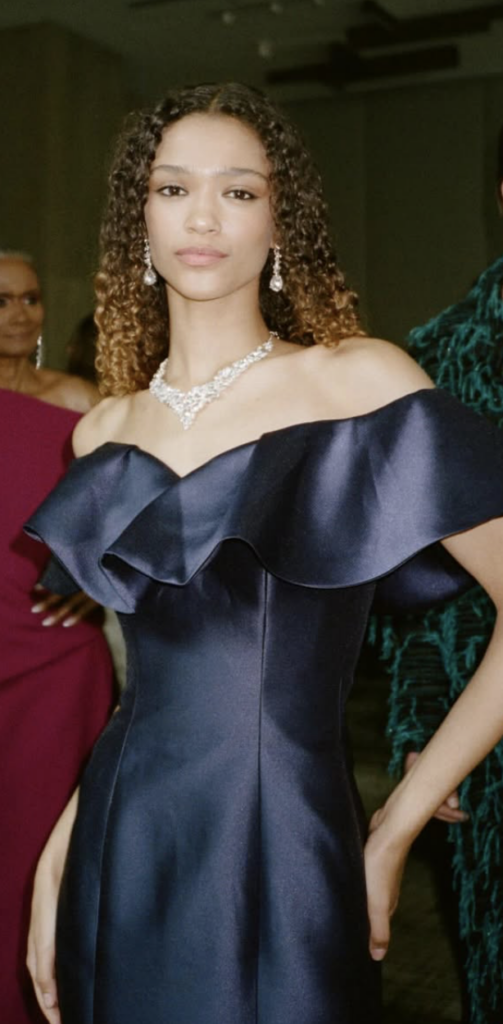
Veejay Floresca presented her February 2026 collection with a sense of clarity that immediately grounded the room. Supported by the Council of Fashion Designers of America, the show marked her first solo runway, but it did not feel like an introduction. It felt resolved. The kind of debut that comes with direction already in place.

The collection centered on evening wear, but avoided anything predictable. Each look carried a balance of structure and ease, where form was present without feeling imposed. There was a quiet control to the way garments moved, allowing the clothes to feel intentional without appearing rigid. The presentation held an intimacy that made every detail land with more weight.

Concept & Mood
Floresca approached this collection as both a personal statement and a foundation for what her brand will become. The mood was assured, never overstated. There was no need for excess or spectacle. Instead, the focus remained on presence.

The show unfolded with a steady rhythm, where each look built on the last without breaking continuity. It reflected a designer who understands exactly what she wants to say and does not feel the need to over explain it. Identity sat at the core, not as a theme, but as something fully embedded within the work itself.

Palette, Materials & Silhouettes
Color story: The palette remained refined and cohesive, leaning into neutrals, soft tones, and deep evening shades that allowed the construction of each piece to stand out. The colors never distracted. They supported the overall clarity of the collection.

Textures & fabrics: Fluid fabrics were paired with more structured elements, creating a contrast that felt balanced rather than forced. Draping played a key role, allowing movement to become part of the design. Materials were chosen with restraint, emphasizing quality and intention over excess detail.

Silhouettes & detail: The silhouettes followed the body without trying to reshape it entirely. Structured bodices appeared alongside softer lines, creating a dialogue between control and release. Gowns elongated the frame, while more fitted pieces brought focus to form and proportion.

Nothing felt restrictive. The garments moved with the wearer, reinforcing the idea that evening wear can hold presence without demanding conformity. Every detail felt considered, from cut to finish, without tipping into over-design.

Themes & Takeaways
At its core, the collection was about expanding who evening wear is for. Floresca does not design around a singular idea of beauty. Instead, she builds a space where different identities and bodies exist naturally within the same vision.

There was also a strong sense of intention throughout. Nothing felt accidental. The restraint in styling and execution allowed the message to come through clearly. This was not about proving a point. It was about establishing one.

Her journey, including her win on Project Runway, adds context, but the collection does not rely on it. The work stands on its own, carrying both personal meaning and broader relevance without needing to separate the two.

Final Thoughts
Veejay Floresca’s February 2026 presentation defined the direction of her brand with confidence and precision. By focusing on elevated evening wear that prioritizes both structure and ease, she created a collection that feels considered and lasting.

The show made it clear that inclusivity, when approached with intention, becomes inherent rather than performative. What Floresca offered was not just a debut, but a fully realized perspective on modern evening wear that feels expansive, grounded, and entirely her own.

Kobi Halperin Spring Summer 2026 at Paris Fashion Week: A Quiet Expression of Emotion

Kobi Halperin Spring Summer 2026 at Paris Fashion Week: A Quiet Expression of Emotion

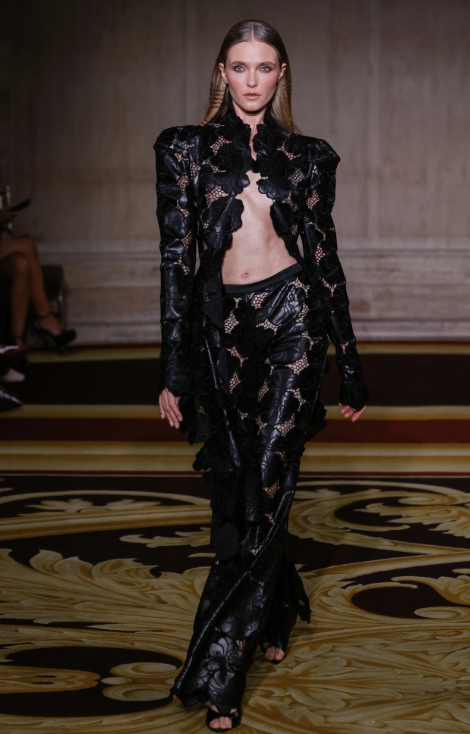
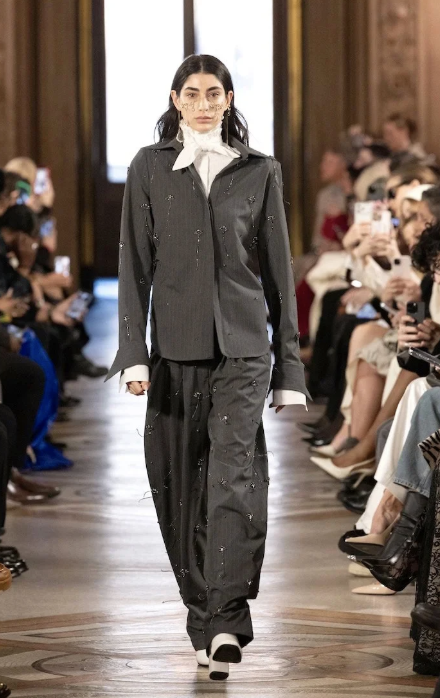
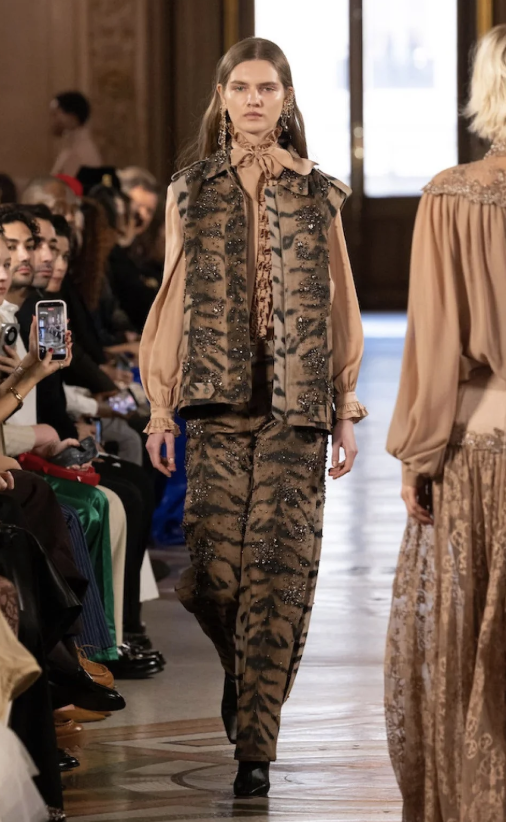
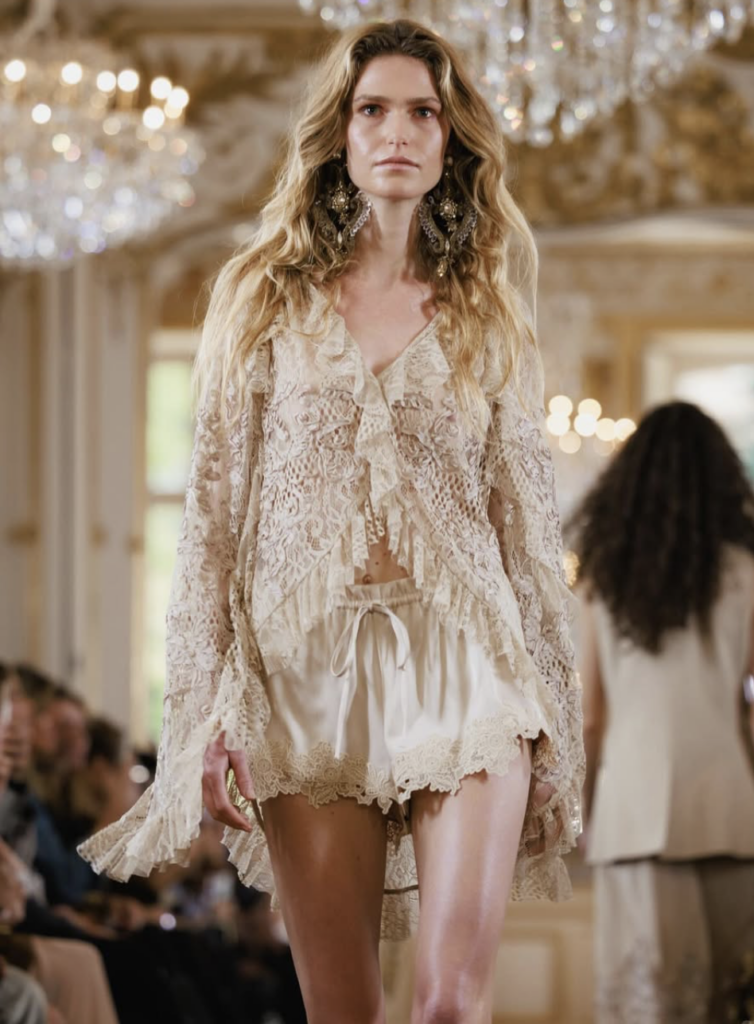
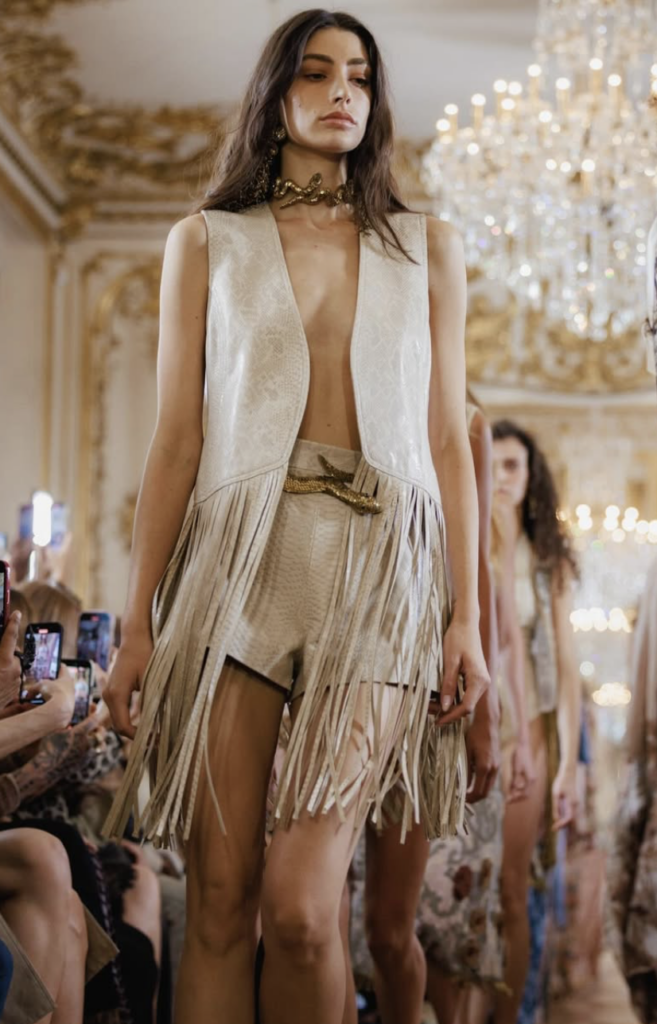
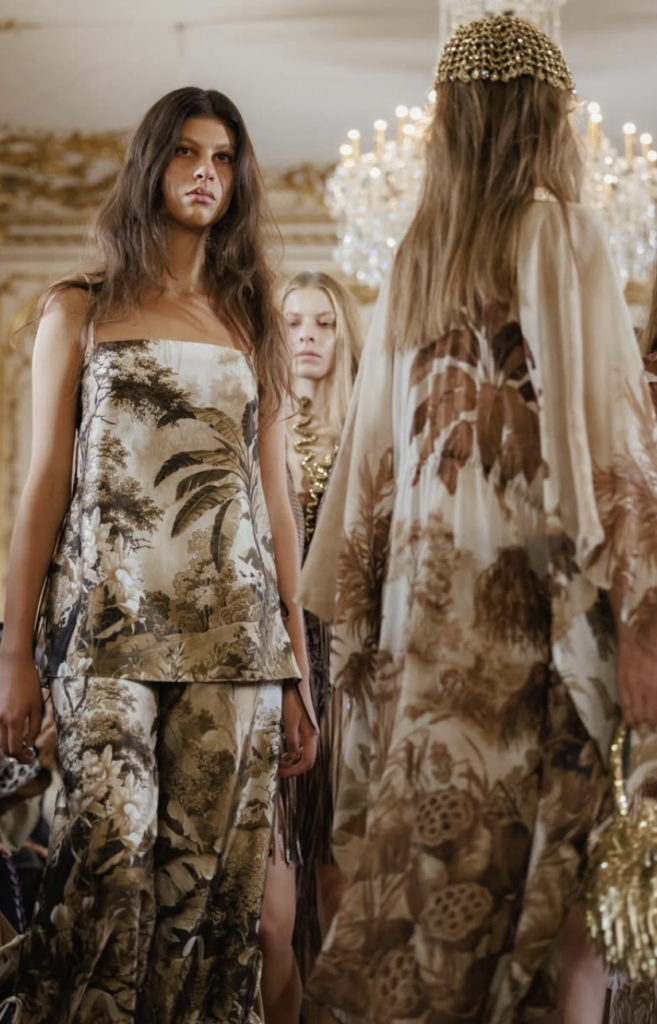
Kobi Halperin unveiled his Spring Summer 2026 collection within a gilded salon that felt steeped in history. Crystal chandeliers cast a soft glow over ornate gold molding, while parquet floors echoed each step with a quiet elegance. The setting carried a sense of intimacy, as though the space itself was in dialogue with the collection rather than simply housing it. Every detail framed the garments with intention, allowing the presentation to feel personal and immersive. Paris, in this moment, became more than a backdrop; it felt integral to the narrative Halperin set out to tell.

The collection unfolded with a sense of ease and fluidity, prioritizing emotion over spectacle. Rather than commanding attention through dramatic gestures, each look invited a slower gaze. There was a softness to the pacing, where fabrics, movement, and craftsmanship spoke with clarity, creating a presence that felt both grounded and expressive.

Concept & Mood
Halperin approached this season with a focus on emotional depth and quiet femininity. The mood carried a sense of calm introspection, where vulnerability and strength existed simultaneously. Nothing felt forced or exaggerated; instead, the collection embraced a natural rhythm that allowed each piece to resonate on its own terms.

The presentation remained intentionally restrained. Without relying on overt theatrics, the emphasis stayed on how the garments moved and how they felt within the space. This restraint created a stronger connection between the audience and the collection, reinforcing the idea that subtlety can hold significant impact.

Palette, Materials & Silhouettes
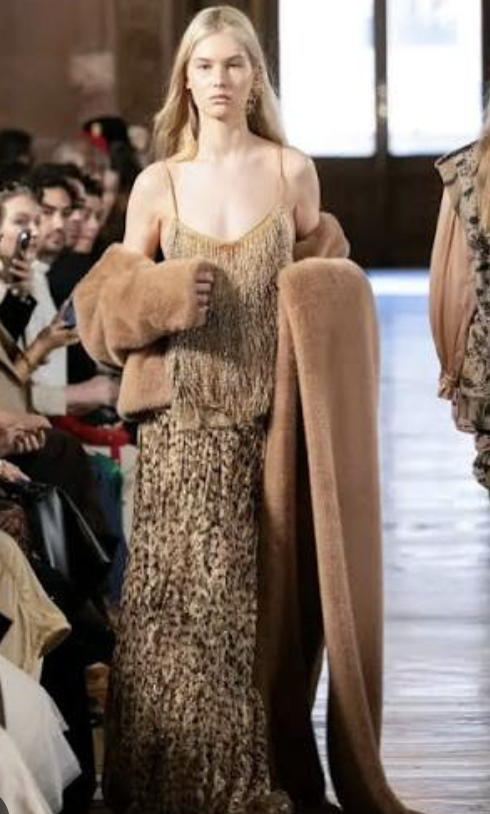
Color story: The palette centered around earthy florals and sun-warmed neutrals. These tones grounded the collection, creating a sense of warmth and familiarity while maintaining a refined softness. The colors worked seamlessly together, allowing the collection to feel cohesive without becoming predictable.

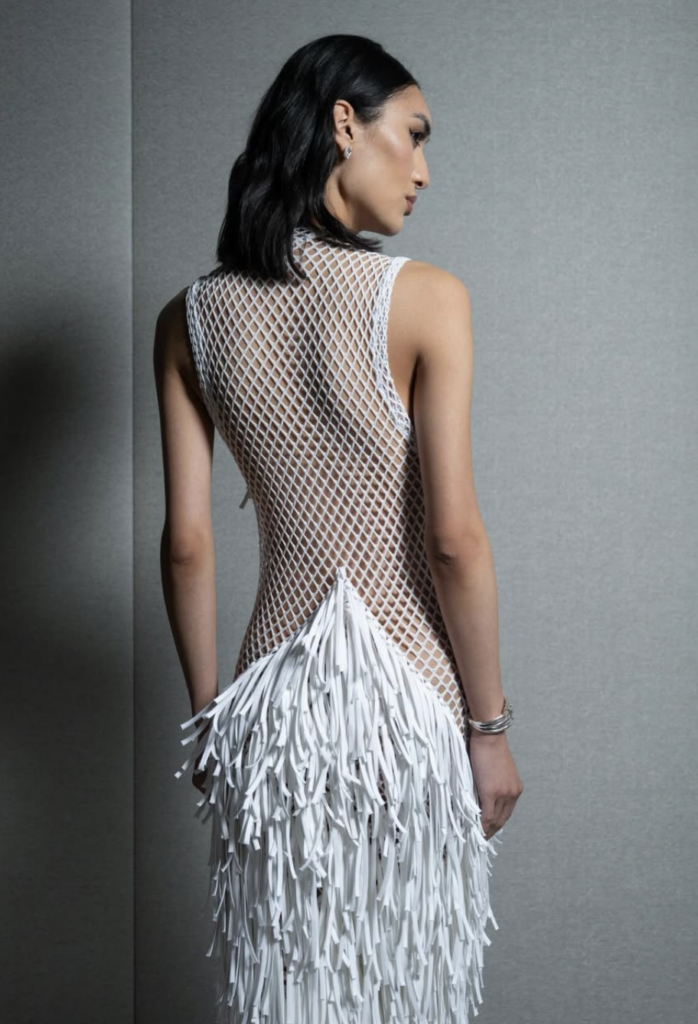
Textures & fabrics: Diaphanous silks, fluid chiffons, and delicate lace formed the foundation of the collection. These materials introduced lightness and movement, while tactile embroideries and fringed details added dimension. Hand-applied elements such as beading and metallic accents brought a sense of craftsmanship that felt personal rather than decorative.

Silhouettes & detail: The silhouettes favored fluidity, with garments designed to move effortlessly with the body. Structured elements appeared subtly, supporting rather than defining the overall shape. Fringed finishes caught the light with movement, while artisanal details added texture without overwhelming the design. Each look carried a sense of balance, where nothing felt overly constructed or excessive.

Themes & Takeaways
The collection explored the connection between memory, emotion, and craftsmanship. Each piece felt as though it carried a sense of history, expressed through texture and detail rather than overt references. Halperin allowed a sense of imperfection to exist within the work, giving the garments a human quality that felt intentional and considered.

There was also a clear departure from trend-driven design. Instead of following seasonal expectations, the collection focused on sincerity, presenting fashion as an emotional expression rather than a performance. This approach created a deeper resonance, allowing the work to feel timeless rather than momentary.

Final Thoughts
Kobi Halperin’s Spring Summer 2026 debut in Paris delivered a collection rooted in feeling and restraint. By prioritizing craftsmanship, movement, and emotional clarity, the brand created a presentation that felt both intimate and refined.

In a season often defined by excess, Halperin chose subtlety. 

The result was a quiet yet powerful debut, demonstrating how fashion can leave a lasting impression not through volume, but through intention.

Vellachor Spring Summer 2026 at Paris Fashion Week: A Study in Modern Romance

Vellachor Spring Summer 2026 at Paris Fashion Week: A Study in Modern Romance

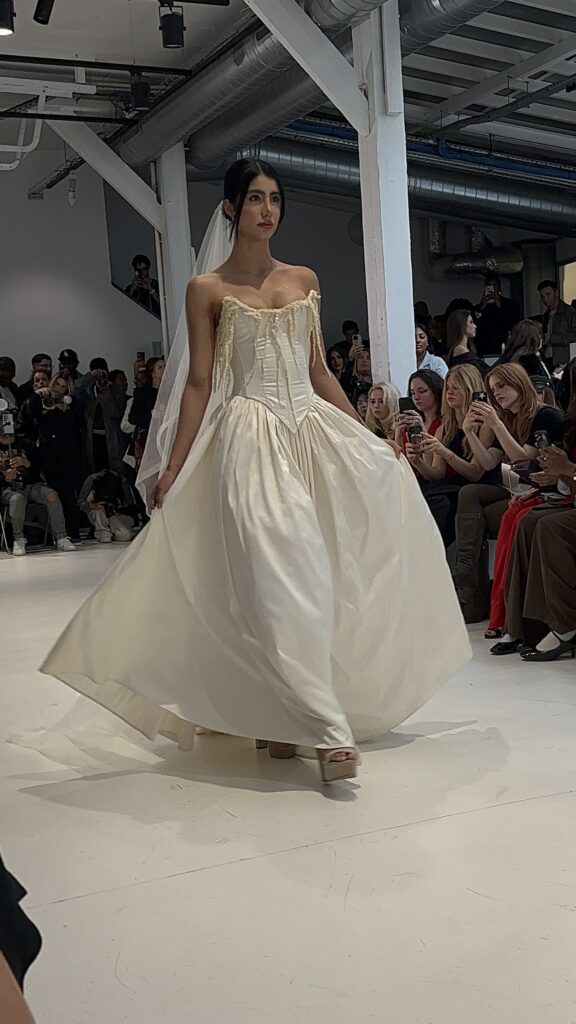
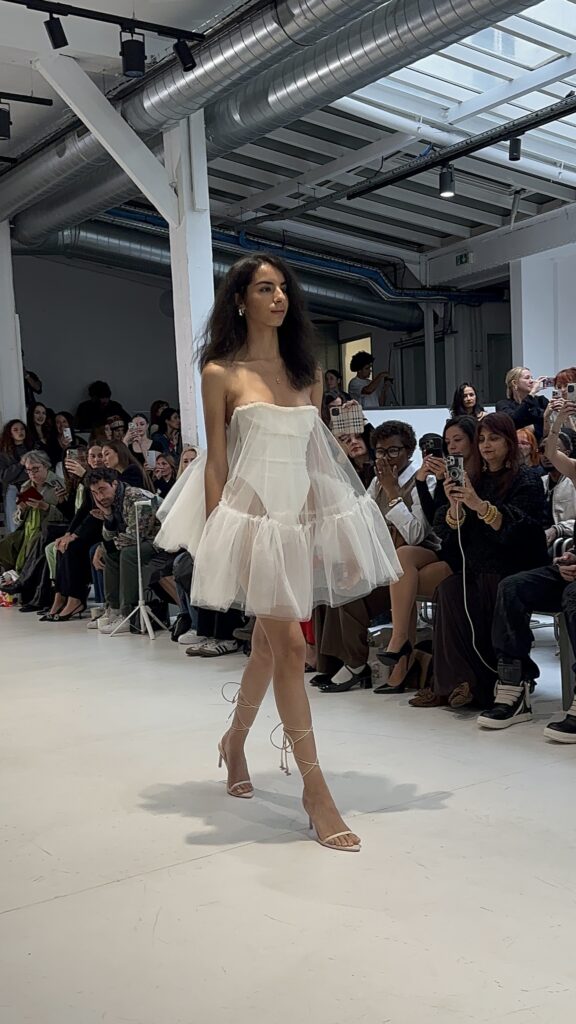
At Paris Fashion Week, Vellachor presented its Spring Summer 2026 collection within a stark industrial setting that immediately set the tone. Steel beams, exposed ducts, and white flooring created a raw, architectural backdrop that contrasted sharply with the softness of the garments. Against this environment, each look felt amplified, allowing movement, texture, and craftsmanship to take center stage.

The collection positioned romance not as nostalgia, but as something current and self-assured. Rather than leaning into overt sentimentality, Vellachor explored how softness can exist with structure, creating a balance that felt both intentional and modern.

Concept & Mood

Vellachor approached this season with a clear perspective on femininity. The mood was light yet grounded, with an emphasis on fluidity and control. There was a quiet confidence throughout the collection, where nothing felt overworked or overly styled.

The show unfolded with a sense of restraint. Instead of dramatic theatrics, the focus remained on how each garment moved and interacted with the body. The industrial setting further emphasized this contrast, reinforcing the idea that softness can hold its own within a more rigid space.

Palette, Materials & Silhouettes

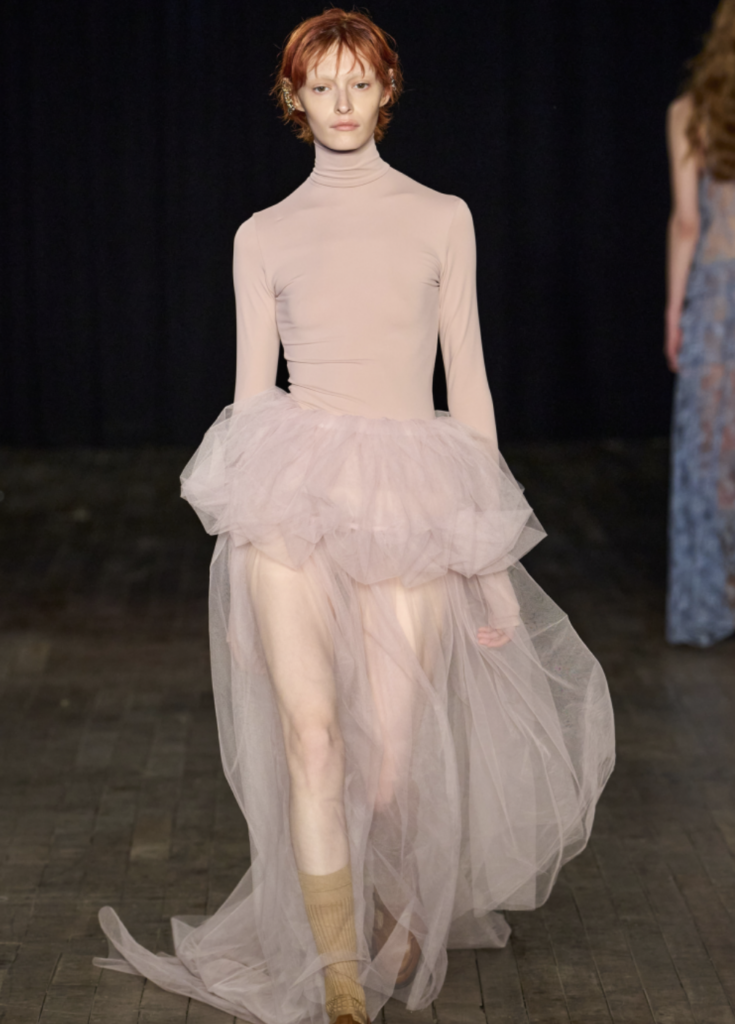
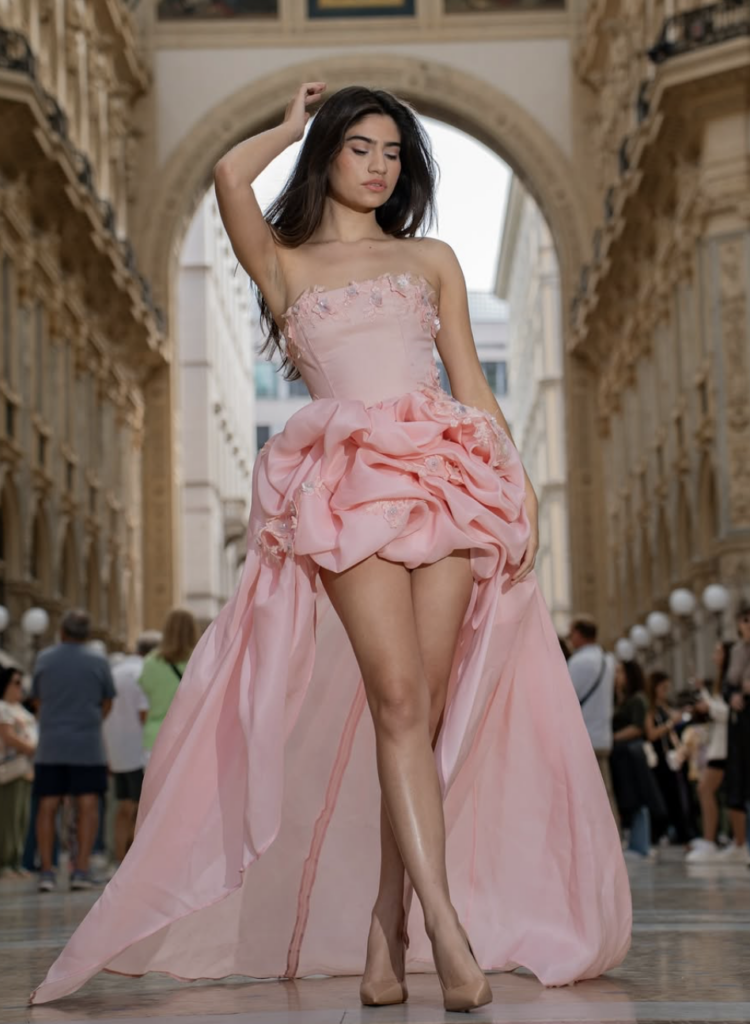
Color story: The palette remained soft and cohesive, centered around blush pinks, milky ivories, and pale creams. These tones created an ethereal atmosphere while maintaining a sense of clarity and intention. The absence of darker shades allowed the collection to feel continuous and immersive from start to finish.

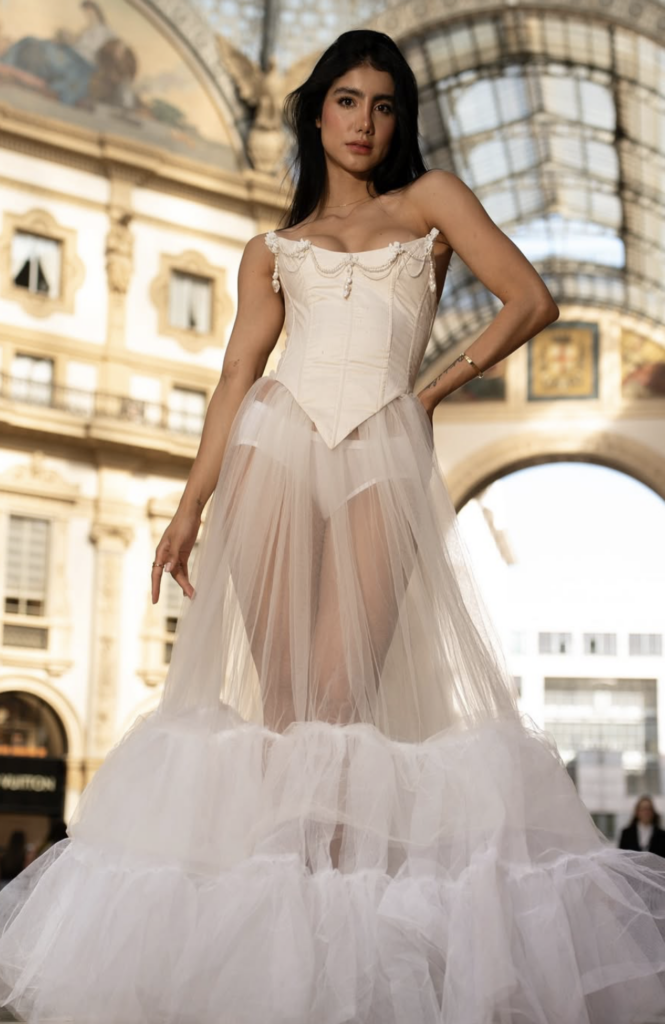
Textures & fabrics: Tulle, organza, and lace defined the collection, chosen for their ability to hold lightness without losing structure. Sheer layers added depth, while delicate embellishments were applied with precision rather than excess. The materials worked together to create movement that felt effortless but controlled.

Silhouettes & detail: Corseted bodices were softened with sheer paneling, creating a balance between structure and transparency. Florals appeared as subtle, hand-applied details rather than focal statements. Peplums expanded into airy volume, and skirts carried a cloud-like quality without overwhelming the form.

Short dresses introduced a sense of ease and playfulness, while longer gowns brought a more composed, elongated presence to the runway. The silhouettes consistently emphasized the body without restricting it, allowing each piece to move naturally.

Themes & Takeaways

The collection explored the relationship between softness and strength. Rather than presenting them as opposites, Vellachor allowed both to exist within the same garment. Structure supported the design without overpowering it, and embellishment enhanced rather than distracted.

There was also a clear focus on restraint. Every detail felt considered, reinforcing the idea that modern elegance does not require excess. The collection invited attention to subtle elements such as movement, proportion, and texture.

Final Thoughts

Vellachor’s Spring Summer 2026 collection delivered a refined take on contemporary romance. By pairing delicate materials with controlled construction, the brand created a runway moment that felt both emotional and precise.

The show made it clear that romance, when approached with intention, can feel current rather than nostalgic. In a setting defined by structure and simplicity, Vellachor demonstrated that softness can be just as impactful, offering a perspective on femininity that feels confident, balanced, and distinctly modern.

Lara New York at Paris Fashion Week: A Moment of Elegance

On September 30, 2025, Lara New York officially made its Paris Fashion Week debut, unveiling a collection that underscored the brand’s reputation for refined evening wear. Known for its presence at Macy’s, Nordstrom, and David’s Bridal, the label brought a new level of sophistication to the Paris runway, establishing itself on the global fashion stage. 


Concept & Mood

This collection was a study in grandeur and detail. Lara New York leaned into its mastery of formalwear, showcasing gowns that married traditional glamour with contemporary couture sensibility. The mood was regal yet accessible, evoking timeless femininity with a modern edge. Beading, embroidery, and elaborate trains created a sense of ceremony, while carefully considered silhouettes emphasized elegance over excess.

There was a narrative of transformation; each look told a story of artistry through embellishment. It was less about spectacle and more about refinement: how craft and precision can elevate a gown into an heirloom-worthy piece.

Palette, Materials & Silhouettes

Color story: The runway opened with shades of luminous ivory and champagne, signaling purity and light. Deeper jewel tones followed: emerald green, sapphire blue, and amethyst imbuing the collection with richness. Black and deep burgundy closed the show, adding drama and contrast.

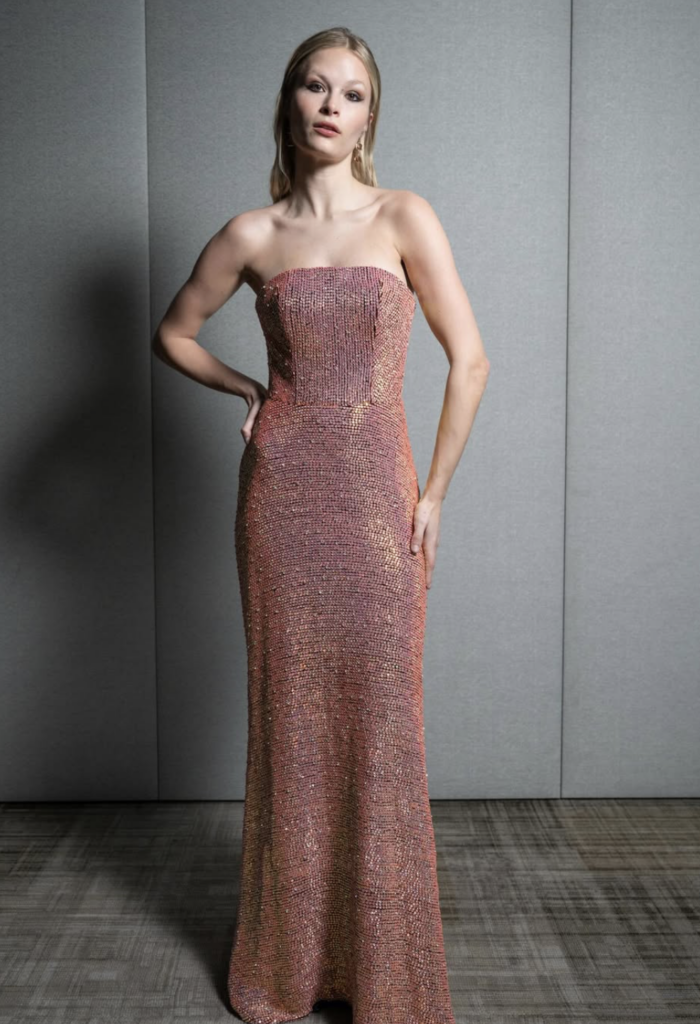
Textures & fabrics: Satin and silk provided fluid movement, while tulle created volume without heaviness. Layers of chiffon brought softness to sharper silhouettes. The beading was extensive, intricate patterns of crystals and sequins shimmered under the runway lights, making each gown a work of art.

Silhouettes & detail: Many gowns featured floor-sweeping trains, some trailing several feet behind the model, creating a majestic effect. Sleeves were a focal point: from sheer embroidered overlays to dramatic puffed designs with intricate beadwork. Necklines ranged from classic off-the-shoulder cuts to high collars adorned with delicate embellishment. The balance of structure and flow lent the collection a couture sensibility while staying true to the brand’s accessible luxury.

Themes & Takeaways

The show reinforced Lara New York’s identity as a designer of moments. These are gowns meant for milestones; weddings, galas, red carpets. But beyond occasion, the collection spoke to the idea of legacy in fashion: garments that feel timeless, intended to be remembered.

There was a dialogue between modern trends and classic couture codes. While the beading and trains spoke to grandeur, the clean tailoring and contemporary silhouettes kept the collection from feeling outdated. Lara New York delivered pieces that are wearable for today while honoring the artistry of old-world craftsmanship.

Final Thoughts

Lara New York’s debut at Paris Fashion Week marked more than just a milestone, it was a statement of arrival. By blending meticulous hand-beading, dramatic trains, and intricate sleeve work with refined silhouettes, the label proved that it belongs on the world’s most prestigious stage.

The collection captured the essence of formalwear at its highest form: pieces that don’t just dress the body, but celebrate it. With this debut, Lara New York has set the tone for its future; not just as a brand seen in major retailers, but as a name etched into the global conversation of couture-inspired evening wear.

Origen Takes Flight: A Sensory Afternoon at the TWA Hotel

A celebration of fragrance, travel, and personal expression marked the launch of Origen’s debut collection.

An Afternoon of Elegance and Nostalgia

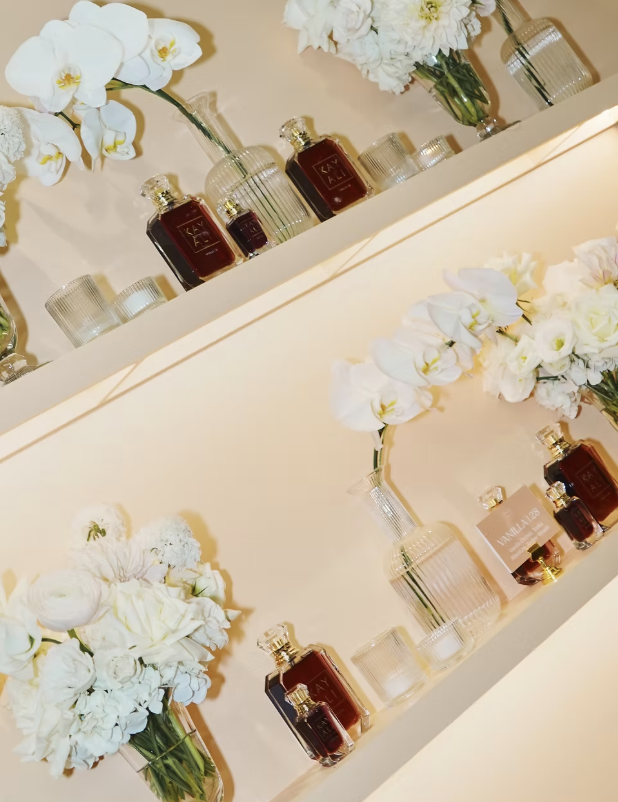
September 18th at New York’s TWA Hotel, Origen hosted a launch event that felt both modern and timeless. Guests were welcomed into the iconic Hotel Center, where retro architecture met contemporary design, setting the perfect scene for a brand that celebrates journey, discovery, and individuality.

Personal Touches: Engraved Luggage Tags

From the moment attendees arrived, Origen emphasized personalization. Leather luggage tags were engraved with each guest’s initials on-site, offering a chic keepsake and a nod to the brand’s travel-inspired ethos.

Exploring the Five Fragrances

The centerpiece of the afternoon was Origen’s debut fragrance collection, featuring five distinct scents:

  • Amazonian Water Lily – Green leaves, airy musk, waterlily, guaiac wood.
  • Yucatan Midnight Amber – Mandarin, tuberose, amber.
  • Amalfi Love Bloom – Orange blossom, rose, vanilla, sandalwood.
  • Sahara Mystery Oud – Oud, saffron, sweet vanilla.
  • Himalayan Jasmine Serenade – Jasmine, marigold, musk, patchouli.

Guests sampled each fragrance in thoughtfully designed stations, allowing them to discover which scent resonated most with their personality and style.

A Flight to Remember

The celebration extended to the hotel’s 1958 Lockheed Constellation airplane, transformed into an intimate lounge. Guests strolled the cabin, snapping photos against the Origen decor, an experience that reinforced Origen’s narrative of travel, memory, and adventure.

A Launch Beyond the Ordinary

By the afternoon’s end, Origen had unveiled more than a fragrance line; it had introduced a world; carefully crafted, full of story, and designed to transport the senses. The launch was a reminder that scents are not just worn, but experienced, remembered, and carried wherever life’s journeys may lead.

Son Jung Wan Spring/Summer 2026: The Beauty of Being

Son Jung Wan unveiled her Spring/Summer 2026 collection at New York Fashion Week, marking another chapter in her long-standing presence on the global stage. This season, the designer explored “The Beauty of Being” a theme that captured both elegance and quiet strength, balancing tradition with modern sensibilities.

A Mood of Elegance and Ease

The runway atmosphere leaned into a romantic yet contemporary spirit, with references to mid-century femininity reinterpreted for today. Flowing fabrics, sculptural silhouettes, and soft tailoring blended seamlessly with moments of bold structure and contrasts. The result was a collection that felt graceful yet forward, polished yet alive with movement.

Textures, Colors, and Craft

Fabrication played a central role: hand-stitched gowns shimmered under the lights, layered textiles created depth and fluidity, and asymmetrical draping gave garments a sculptural quality. Colors shifted in tones, sometimes soft and muted, other times breaking into bursts of brightness, offering breaks throughout the lineup.

Standout Elements

  • Handcrafted gowns that glowed with meticulous detail.
  • Contrasts in silhouette, moving between voluminous drama and pared-down restraint.
  • Subtle construction details—pleats, folds, and asymmetry—that rewarded a closer look.
  • Color as narrative, with hues that shaped the emotional arc of the collection.

Balancing Heritage and Modernity

What stood out most was the balance: Son Jung Wan stayed true to her heritage of refined craftsmanship while experimenting with new forms and textures. The show carried depth, reminding viewers that fashion can embody presence and identity, not just aesthetics.
The risk of contrast is fragmentation, yet the collection maintained cohesion, weaving soft romance with a modern edge. While some of the more sculptural looks may lean toward editorial fantasy rather than everyday wear, they underscored the artistry at the heart of the brand.

A Lasting Impression

While many shows this season chased spectacle, Son Jung Wan’s SS26 collection focused on refinement, detail, and quiet elegance. “The Beauty of Being” felt less like a theme and more like a message. Reminding us to value the beauty of simply being present.

Alexis Bittar SS26: A Beauty Pageant Deconstructed

On September 12, 2025, Alexis Bittar presented his Spring/Summer 2026 collection at the Abrons Theater during New York Fashion Week. Titled “Miss USA 1991,” the presentation stepped far outside the boundaries of a traditional runway show. Instead, it merged jewelry, theater, and performance art to create a layered commentary on beauty, politics, and power.

A Stage Set for Unease

Bittar reimagined the familiar structure of a beauty pageant, but through a lens of surrealism and disquiet. Contestants filed in through a rotating doorway, walking silently before a lone male judge. The atmosphere was eerie, and heavy with symbolism.
The reference to 1991 wasn’t arbitrary. By evoking an era before the dominance of social media, Bittar reminded the audience of a time when beauty was still filtered through televised pageants and the judgment of a panel. Yet he framed it through the present, linking it to today’s debates around identity and control of the body. By assigning contestants to states where transgender rights are currently endangered, he underlined the stakes of the spectacle.


Jewelry as Statement Pieces

The collection itself was bold, balancing elegance with defiance. Sculptural necklaces, chandelier earrings, oversized cuffs, and layered bangles caught the light like armor, their size and weight deliberately commanding attention. 
The contrast between airy translucence and dense metallics made the jewelry more than decorative. It became a metaphor for both vulnerability and strength.

Narrative & Symbolism

One of the show’s most striking inversions was its treatment of roles. The male host, placed at the center, became a stand-in for authority and patriarchal control, while the contestants—traditionally passive symbols of perfection—emerged as figures of resistance. 
In choosing 1991 as his frame of reference, Bittar drew attention to the continuity of scrutiny placed on women and marginalized groups while also pointing to how those judgments are evolving in a time of heightened cultural and political tension.


Beyond Fashion

With Miss USA 1991, Alexis Bittar offered more than accessories. He presented a vision where adornment becomes protest, performance becomes politics, and fashion itself becomes a form of resistance.